Padel Rules Explained Simply: A Complete Beginner's Guide
If you've ever found yourself intrigued by this fast-growing racquet sport and asked, "What are the padel rules?"—you've landed in the right place. At PADELYZE, we are passionate about making padel accessible to everyone. That’s why we’re breaking down padel rules in the simplest way possible. Whether you're completely new or just need a refresher, PADELYZE has got you covered.

What Is Padel?

Padel is a racket sport that blends elements of tennis and squash. Played mostly in doubles on an enclosed court about one-third the size of a tennis court, it has grown rapidly in popularity due to its accessibility and social nature.

Padel Court Layout 

Understanding the court is essential before diving into the padel rules:

  • Dimensions: The standard padel court is 20 meters long and 10 meters wide.
  • Net Height: The net is 88 cm high at the center.
  • Walls: The court is enclosed with glass and mesh walls, which are part of the game. 
  • Service Boxes: Similar to tennis, the court is divided into service boxes for serving.
  • Basic Equipment
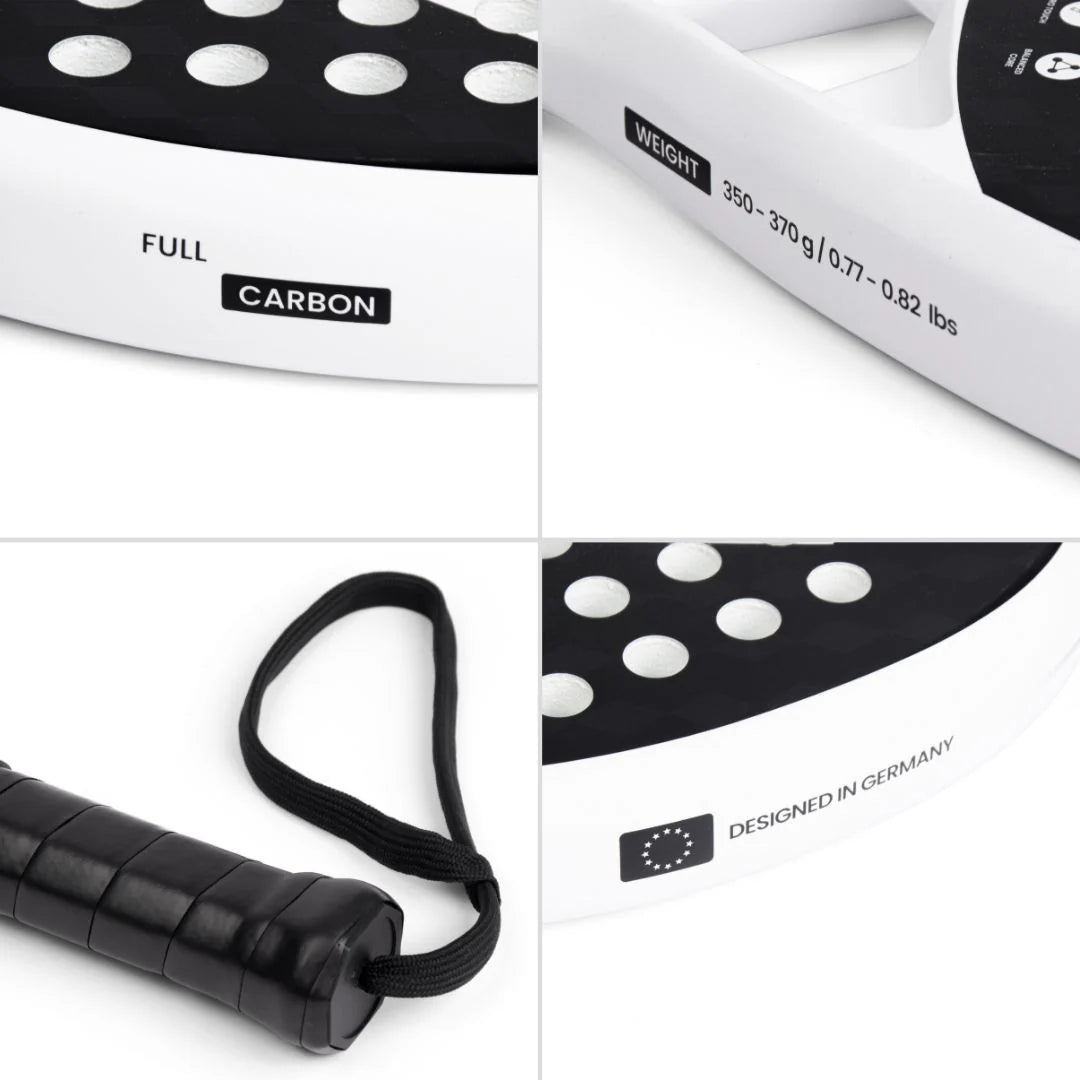
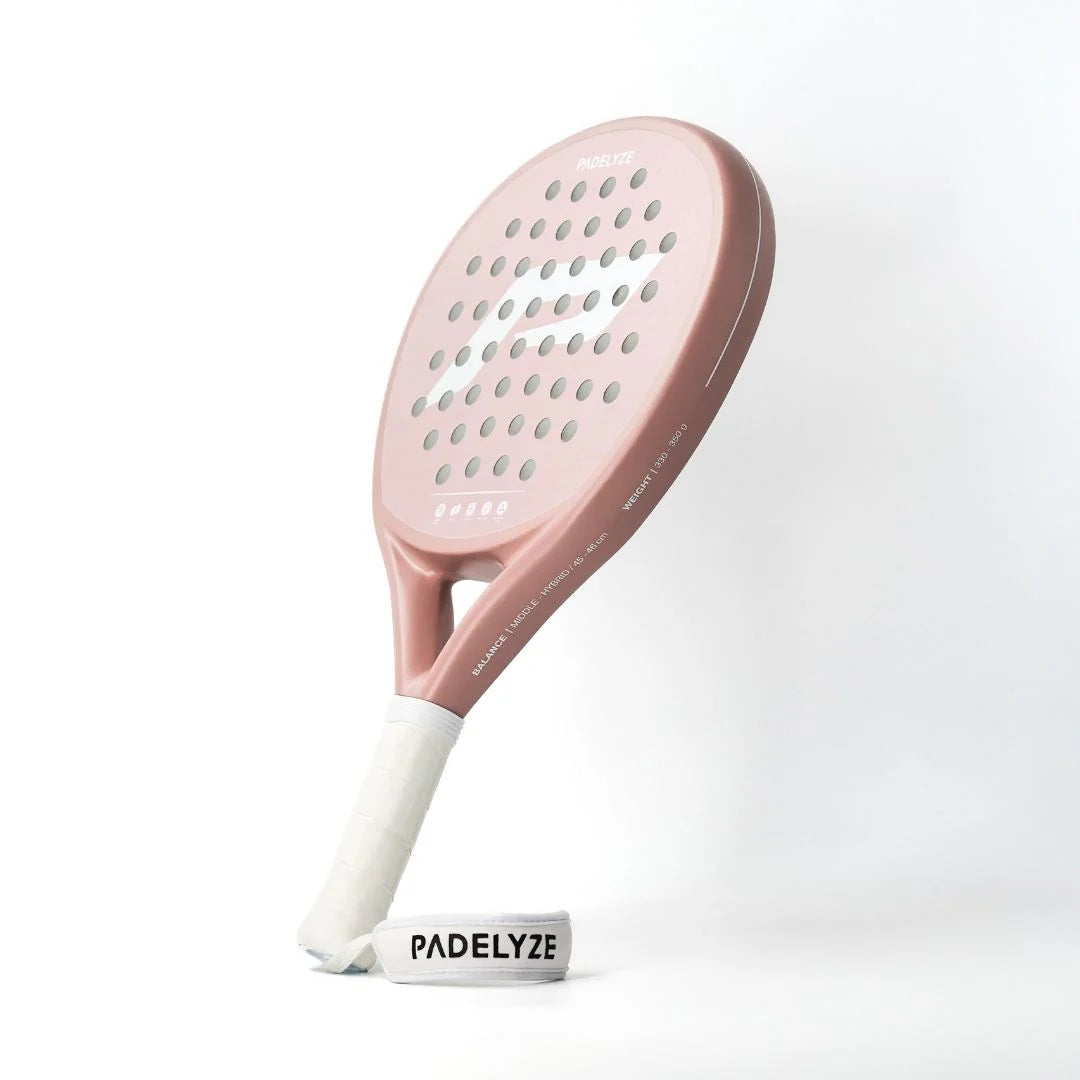
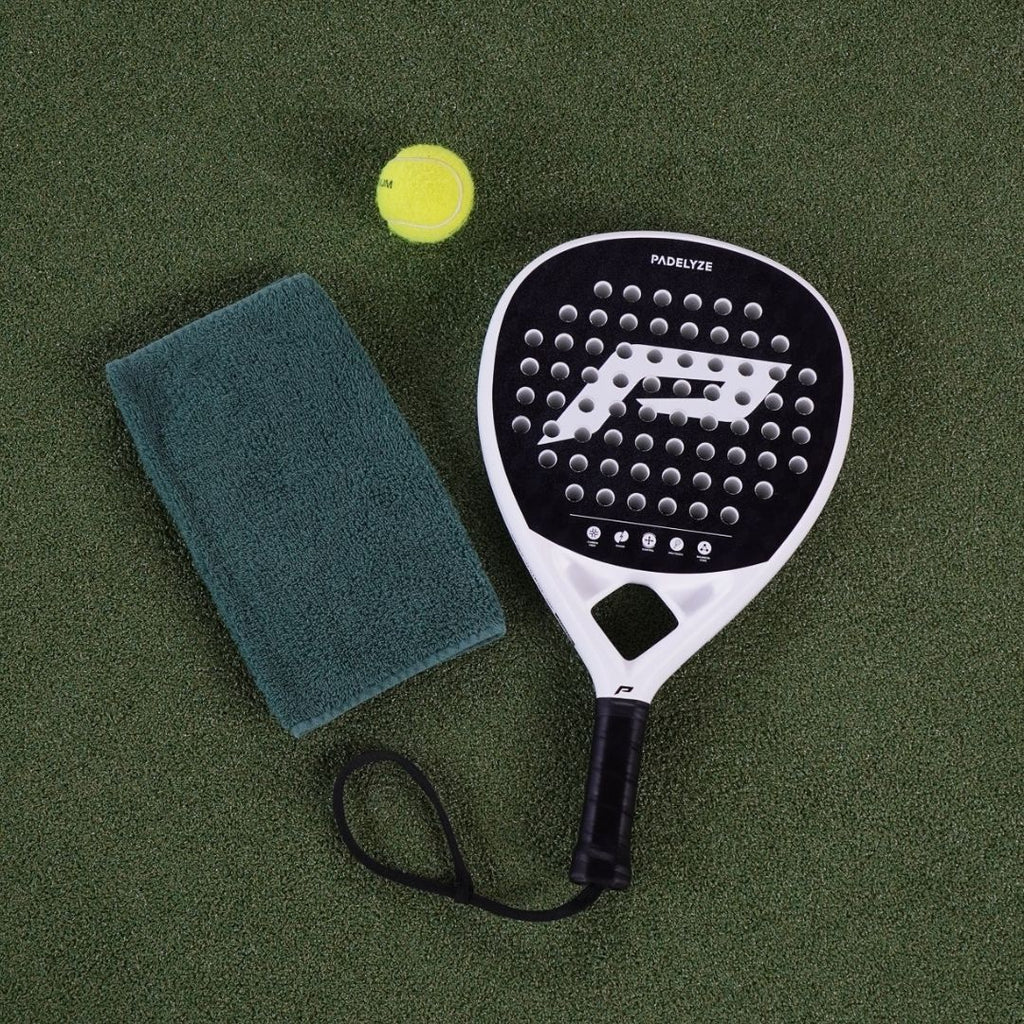
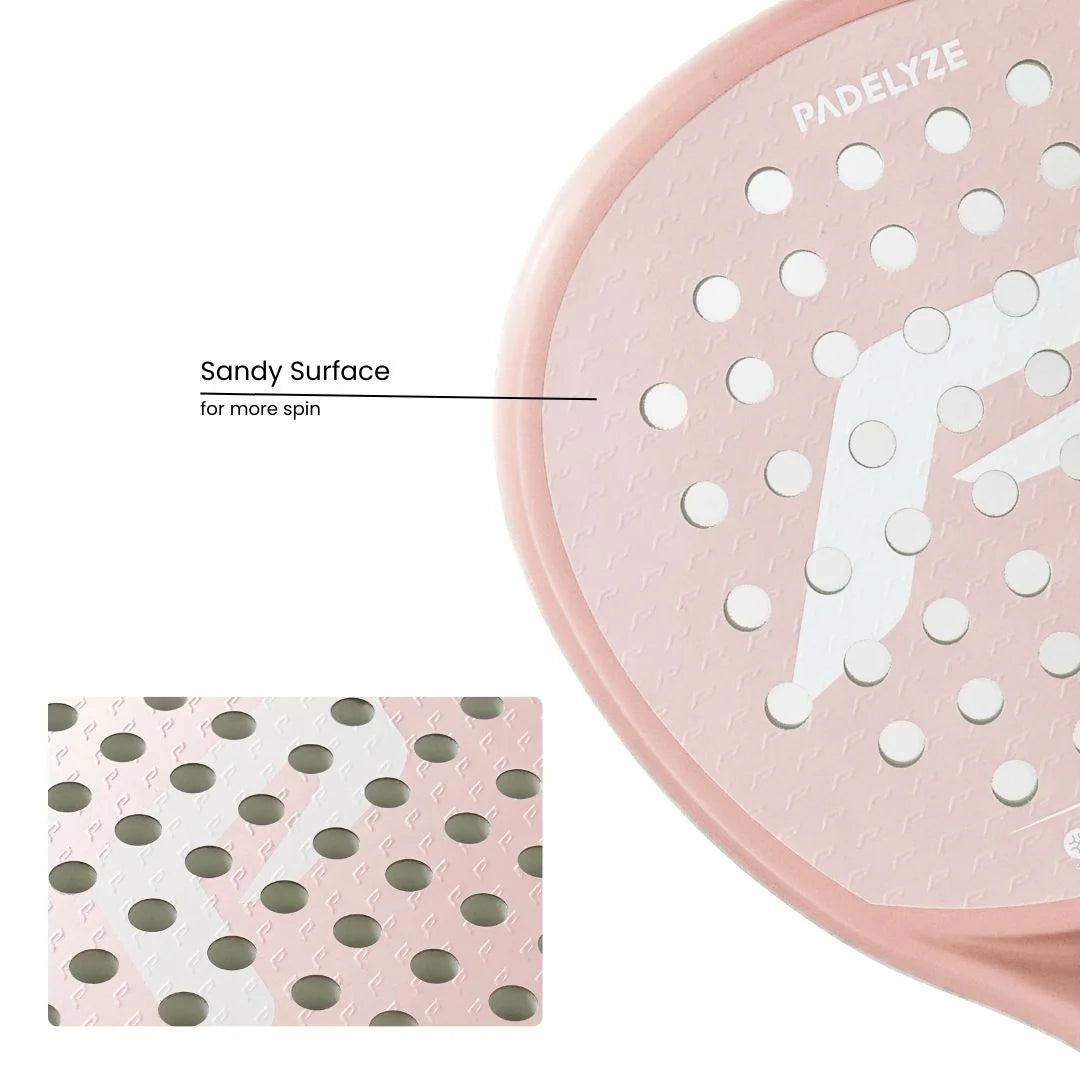
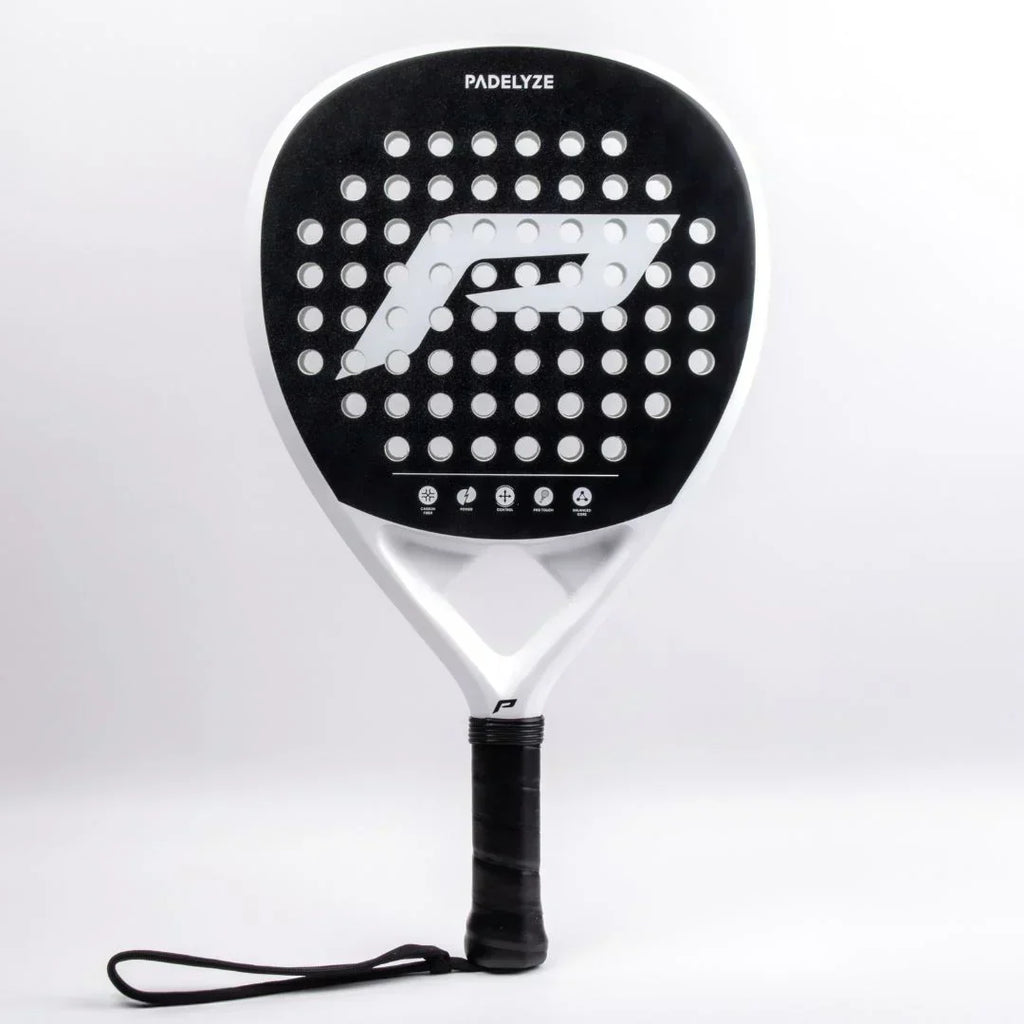
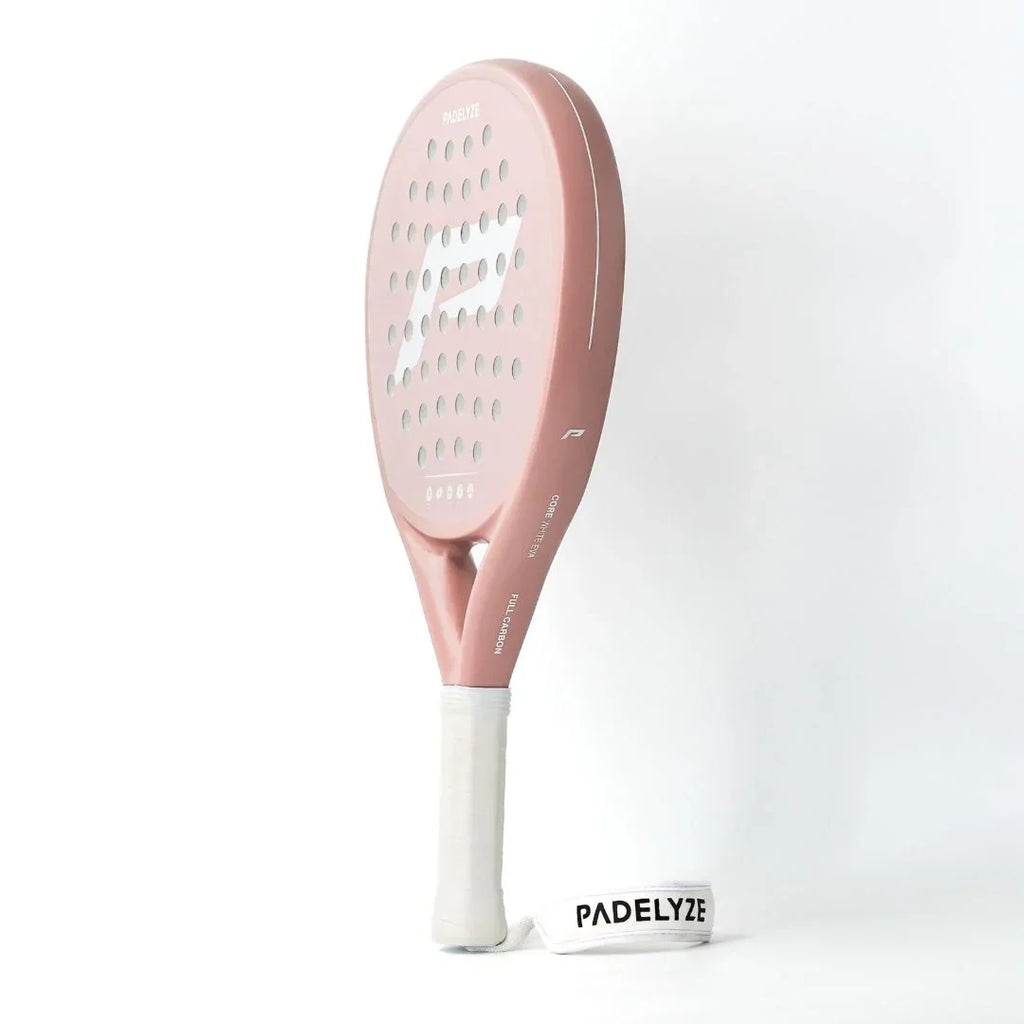
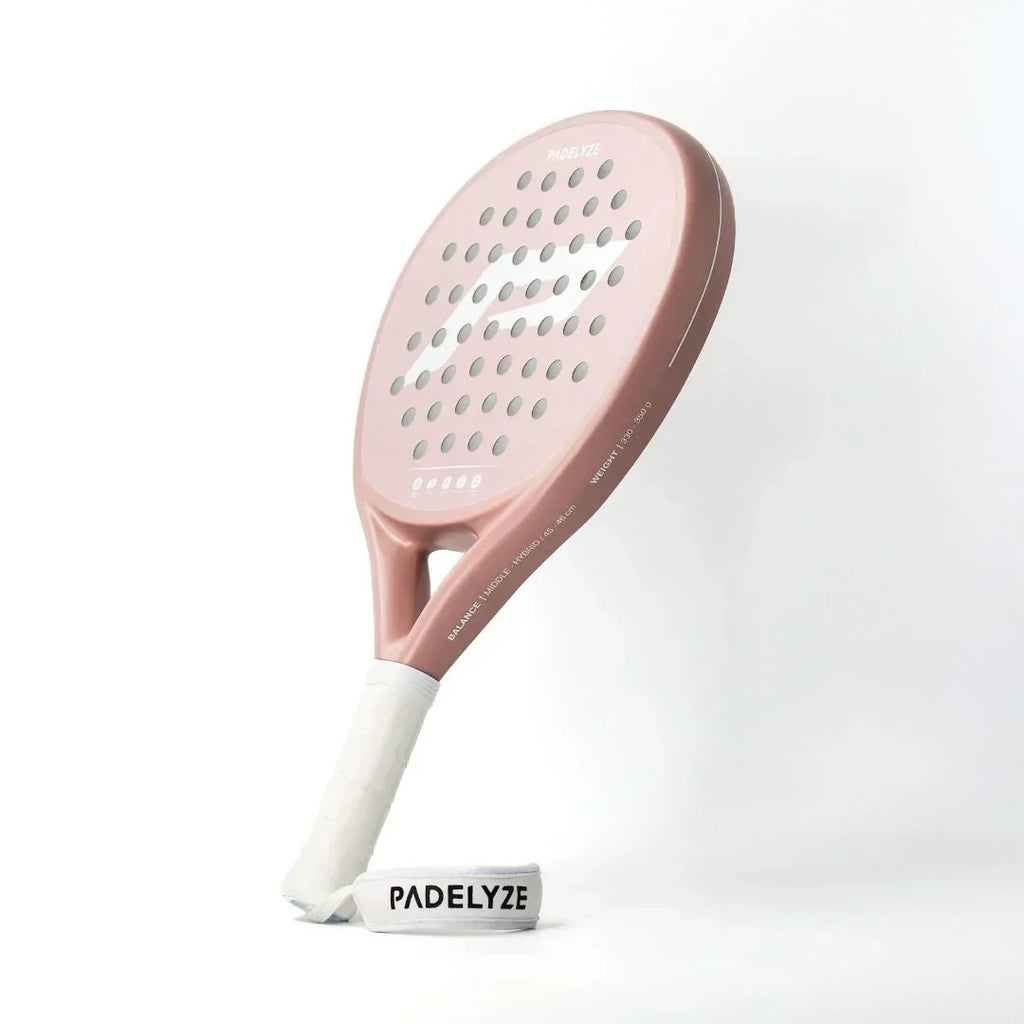
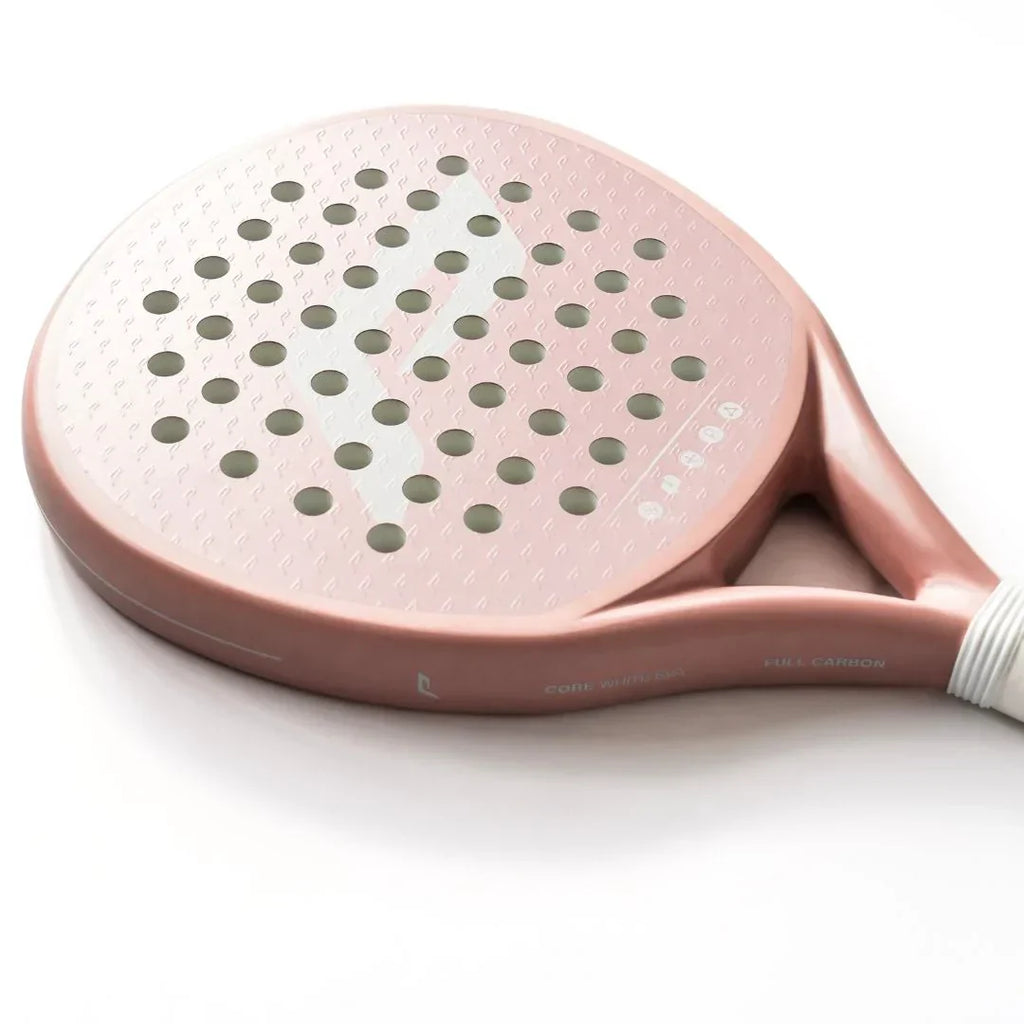
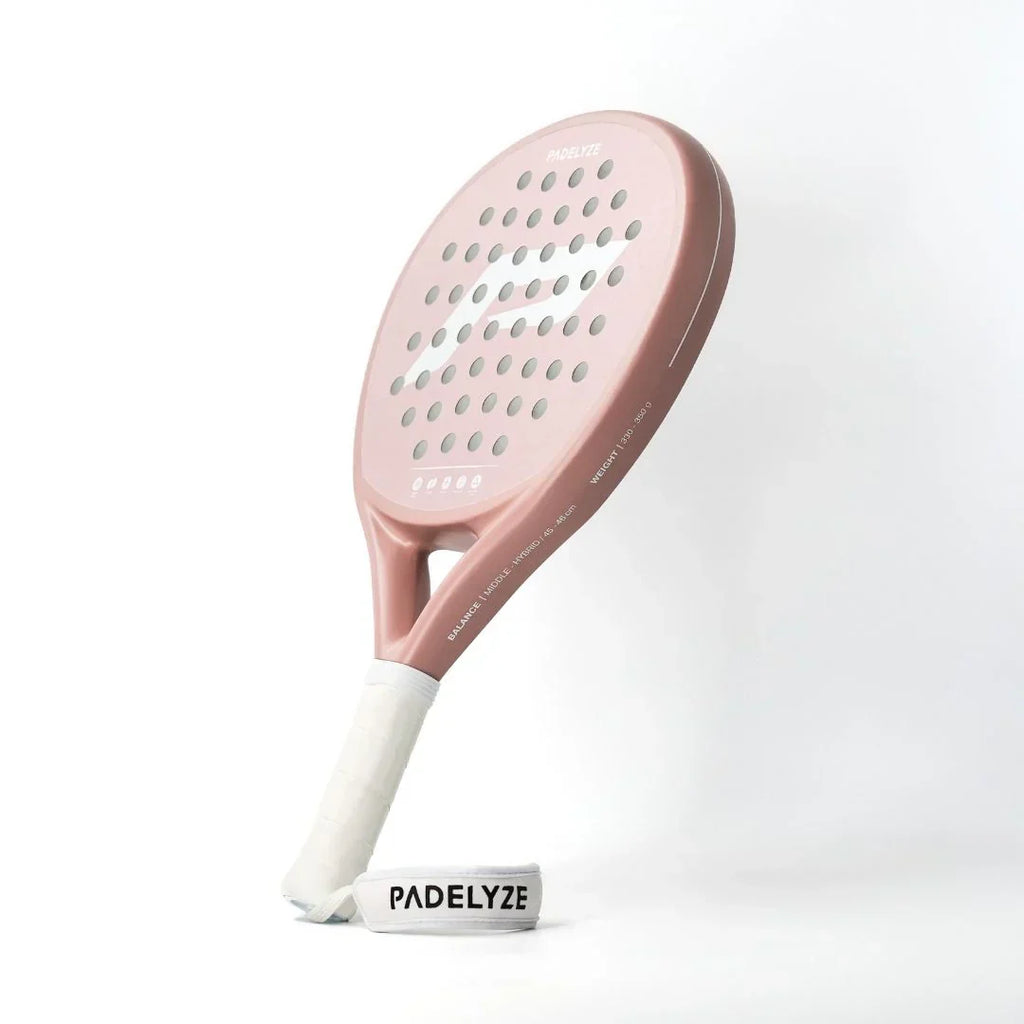
  • Padel Racket: Solid and stringless, with perforated holes.
  • Padel Balls: Slightly less pressurized than tennis balls.

Core Padel Rules

1. Scoring System

The scoring system mirrors that of tennis:

  • Points go 15, 30, 40, then game.
  • Six games win a set, and two sets win a match.
  • At 40-40 (deuce), a deciding point (golden point) may be played depending on the rules of the competition.
  • Matches are usually played as best of three sets.
  • If a match goes to a third set, a match tiebreak (first to 10 points) is sometimes played instead.
  • In Golden Point situations, the receiving team chooses which player will receive the serve.

2. Serve Rules

  • The serve must be underhand.
  • You get two attempts to serve.
  • The ball must bounce behind the service line and land diagonally in the opposite service box.
  • If the ball hits the net and lands correctly, it's a let, and the serve is replayed.

3. In-Play Rules

  • The ball must bounce once before hitting the walls.
  • You can use the walls after the bounce to return the ball.
  • The ball can only bounce once on your side.
  • You cannot hit the ball twice or touch it with your body.
  • You may step outside the court (through the door) to return a ball in certain cases.
  • Only the racket may touch the ball. Touching the ball with your body is not allowed.
  • If the ball bounces on your side and then hits the glass or fence, it remains in play.
  • If the ball directly hits the walls or fence without bouncing first, it's out.

4. Let & Faults

  • A serve hitting the net and not landing in the correct box is a fault.
  • If the ball hits the wire fence or glass before bouncing, it’s out.
  • If the ball touches the net, lands in the correct service box, and then directly hits the fence without bouncing, it’s a fault.

5. Team Setup

Padel is almost always played in doubles (2 vs 2).
Singles matches are possible but rare and require a special singles court.

6. Side Changes

Teams switch sides after every odd-numbered game (after 1st, 3rd, 5th games, etc.).

7. Serve Position & Order

The server must stand behind the service line, within their service box.
After each point, the server switches sides, serving alternately from the right and left.

8. Special Rule: Playing Outside the Court

In some courts, players are allowed to exit the court (through the door) to return a ball if the ball bounces and goes outside the fence or glass.

9. Advanced Rules

After crossing the net, if the ball bounces in the opponent’s court and then directly hits the side fence without a second bounce, it is still in play.


You can hit the ball outside the court (over the fence) and win the point directly if it goes in without touching the opponent’s side again.


If a ball spins back over the net to your side after a good shot, you can run around the net and play it without touching the net.


Common Mistakes to Avoid

  • Serving overhand
  • Letting the ball bounce twice
  • Hitting the net with your body or racket
  • Confusing tennis rules with padel


Strategy Tips for Beginners

  • Stay coordinated with your partner.
  • Use the walls to your advantage.
  • Maintain position: One player near the net, one near the baseline.
  • Communicate clearly during points.


Padel Etiquette

  • Shake hands before and after the match
  • Call balls fairly.
  • Applaud great plays, even from opponents.
  • Respect your partner's space and play.

Final Thoughts 

Now that you know the padel rules, you're ready to get out there and start playing. Whether you’re joining a local club or playing with friends, these simple guidelines will help you feel confident on the court. At PADELYZE, we believe in making the sport fun and approachable for everyone. So grab your racket, follow the rules, and enjoy the game!

FAQs About Padel Rules 

Can I volley in padel?

Yes, volleying is allowed except during the serve.

Is it legal to hit the ball after it bounces off the wall?

Absolutely. In fact, using the wall is a key part of padel strategy.

What happens if the ball hits the ceiling or outside the court?

The point is lost. The ball must remain within the play area.

How many players are needed for a padel match?

The standard game is doubles, so 4 players. Singles courts exist but are rare.

Do I need special shoes for padel?1

Yes. Padel-specific shoes offer the right grip and flexibility for the court surface.

Contents

You may also like

En esta guía, descubrirás consejos prácticos para principiantes de pádel que te ayudarán a desarrollar fundamentos sólidos, mejorar el conocimiento de la cancha y jugar de forma más inteligente, no más difícil.

Descubre cuántas calorías quemas jugando al pádel, qué influye en la tasa de quema y cómo se compara el pádel con otros deportes. Obtén información sobre tu estado físico con PADELYZE.

Descubre las diferencias clave entre las pelotas de pádel y las de tenis y descubre cómo la elección correcta puede mejorar tu juego y rendimiento en la pista. ¡Aprenda hoy mismo!
El pádel femenino se ha convertido rápidamente en algo más que una simple tendencia: es un movimiento. Ya sea que busques una forma divertida de mantenerte activa, una nueva forma de socializar o simplemente quieras desafiarte con algo emocionante, el pádel ofrece la combinación perfecta de fitness, diversión y comunidad.

El pádel es un deporte de ritmo rápido, y no es de extrañar que muchos jugadores experimenten dolor de muñeca o codo de tenista con el tiempo. Aunque al principio pueda parecer una molestia menor, estos problemas pueden agravarse si no se tratan adecuadamente.
El pádel, un deporte de raqueta trepidante y emocionante, está creciendo rápidamente en todo el mundo, especialmente en Europa y Latinoamérica. Si eres nuevo en el pádel, una de las primeras cosas que debes entender es el sistema de puntuación.

Tanto si eres un jugador experimentado como principiante, la ropa adecuada es esencial para tu juego de pádel. A diferencia de otros deportes, el pádel implica movimientos rápidos, giros frecuentes y sprints bruscos.
A la hora de elegir la pala adecuada, el debate entre el carbono y la fibra de vidrio es un tema candente. PADELYZEEntendemos lo crucial que es seleccionar el equipo perfecto para tu juego.
Si realmente quieres mejorar tu juego, invertir en el equipo adecuado es crucial. Uno de los avances más comentados de los últimos años es la pala de pádel de carbono.
Si alguna vez te ha intrigado este deporte de raqueta en rápido crecimiento y te has preguntado: "¿Cuáles son las reglas del pádel?", has llegado al lugar correcto. PADELYZENos apasiona hacer que el pádel sea accesible para todos.

Email:

info@padelyze.com

With this logo, we want to show that we are a customer of Der Grüne Punkt – Duales System Deutschland GmbH and that our packaging participates in the dual system.

Socials:

Join the PADELYZE® Affiliate Program and turn your reach into real rewards. 

© 2025 PADELYZE®  -  All rights reserved